
Social Media Mistakes Divorce Lawyers See Most : And How to Stay Protected
In today’s hyper-connected world, social media is an ingrained part of our daily lives. From sharing life’s milestones to venting frustrations, our online presence often mirrors our reality. However, when you’re navigating the turbulent waters of a divorce, your social media accounts transform from personal platforms into potential legal minefields. At Brandon Legal Group, we provide decisive strength and strategic clarity, and we don’t sugar-coat the truth: anything you post, share, or are tagged in online can and will be used against you in divorce court. Understanding this critical reality is the first step in protecting your case and your future.
The Unvarnished Truth: Your Digital Footprint is Evidence
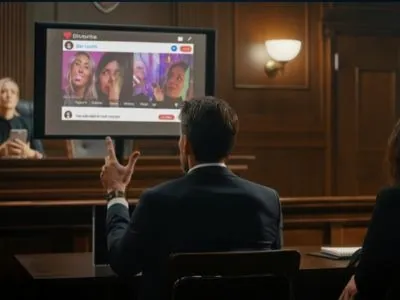
 The casual nature of social media can lead to a dangerous illusion of privacy. Many believe that “private” settings or quick deletions will shield their online activity from scrutiny. This is a severe misconception. In Florida divorce proceedings, digital evidence, including social media posts, messages, photos, and even likes or comments, is routinely sought and admitted by courts. Opposing counsel will actively scour your online presence, and even content posted by friends or family that tags you can become Exhibit A against you.
Remember this: Deleted does not mean gone. Digital forensics can often retrieve content you thought you erased, and attempting to delete potentially incriminating posts can be viewed as spoliation of evidence, which can harm your credibility in court. Every digital action leaves a footprint that can be traced and presented as evidence, impacting critical aspects of your case from finances to child custody.
Common Social Media Pitfalls That Can Sabotage Your Divorce Case
The stakes are incredibly high. Here are some of the most common and damaging mistakes people make on social media during divorce:
- Financial Misrepresentation: Posting about lavish vacations, new cars, expensive dinners, or luxury purchases while simultaneously claiming financial hardship or inability to pay alimony or child support. This directly contradicts your sworn financial statements and can significantly impact alimony and equitable distribution outcomes.
- Discrediting Parental Fitness: Sharing photos or updates depicting excessive partying, substance abuse, reckless behavior, or engaging in inappropriate conduct while children are in your care. Negative comments about your children or your ex-spouse can be used to argue against your fitness as a parent and severely damage your child custody case. Courts prioritize the best interests of the child, and online behavior can paint a very unfavorable picture.
- Violating Court Orders: Publicly discussing confidential legal matters, making disparaging remarks about your ex-spouse, children, or the judge, especially if a non-disparagement or gag order is in place. Such actions can lead to serious legal penalties, including fines or contempt of court.
- Revealing New Relationships: Publicizing a new romantic relationship before your divorce is finalized can complicate negotiations, particularly regarding alimony, and may be used to argue cohabitation, potentially reducing or terminating spousal support.
- Emotional Outbursts and Venting: Using social media to express anger, frustration, or sadness about your ex, the divorce process, or the legal system. While it may feel cathartic, these posts can be twisted to portray you as unstable, vindictive, or emotionally volatile, negatively impacting your credibility and potentially prolonging the legal process. (Related: Understanding the emotional impact of divorce).
- Discovering Hidden Assets or Income: Your ex’s attorney may use your posts (or posts about you) to uncover undisclosed income, a new job, or hidden assets you haven’t declared in financial disclosures.
 Strategic Rules for Social Media During Divorce
Protecting yourself online requires proactive, disciplined action. Here are the strategic rules you must adhere to:
- Go Dark or Drastically Limit Use: The safest and most advisable strategy is to temporarily deactivate your social media accounts or, at a minimum, limit your activity to an absolute bare minimum. The less you post, the less ammunition can be used against you.
- Assume Everything is Public: Even if your privacy settings are set to “private,” assume that anything you post can and will be accessed by the opposing side. Friends can share screenshots, and subpoenas can compel access to private content.
- Do NOT Post About Your Case or Your Ex: Under no circumstances should you post any comments, photos, or updates about your divorce proceedings, legal strategies, financial matters, or your ex-spouse (positive or negative). This includes indirect references.
- Watch What Others Post About You: Politely but firmly ask friends and family members not to tag you in posts or photos, mention you in their updates, or post anything about you or your divorce online. Even their innocent posts can become problematic evidence.
- Think Before You Post (and Before You Delete): Before posting anything, ask yourself: “Would I be comfortable with a judge reading this in court?” If the answer is anything but a resounding “yes,” do not post it. Never delete existing posts without explicit instruction from your attorney, as this could be seen as evidence tampering.
- Do NOT Engage with Your Ex Online: All communication with your ex-spouse should occur through official channels (e.g., your attorneys, co-parenting apps if court-ordered, or direct, documented email for essential matters). Avoid arguments or discussions via social media messaging.
- Be Mindful of Location Services & Check-Ins: Disable location services on your devices and avoid checking into places, especially if they contradict claims you’ve made in court (e.g., claiming to be home sick when you’re checked into a bar).
The Brandon Legal Group Advantage: Your Unwavering Digital Defense
At Brandon Legal Group, we provide more than just legal representation; we offer a strategic defense against self-sabotage, especially in the digital realm. Our unapologetic advocacy means we will give you direct, clear, and urgent warnings about the dangers of social media during divorce proceedings. We don’t sugar-coat the risks, because your future is too important.
Our decisive strength in handling the complexities of your legal case frees you to focus on your conduct and self-preservation in the digital world. We provide you with the strategic clarity needed to avoid common pitfalls, ensuring your online presence doesn’t undermine your legal arguments. Ingrid’s “broomstick” approach sweeps away not just legal clutter but also the temptation for online self-sabotage, empowering you to maintain integrity and win your case. Partner with a divorce and family lawyer in Brandon who understands the modern landscape of divorce evidence and will fiercely protect your interests.
Illustrative Scenario: The Social Media Slip-Up
During her highly contested divorce, Lisa was struggling with emotional strain. Feeling isolated, she posted a lengthy, angry rant on her private Facebook page, detailing her ex-husband’s alleged financial misconduct and criticizing his parenting style. A “friend” who was also friends with her ex-husband took screenshots and immediately sent them to his attorney.
When Brandon Legal Group discovered these posts during discovery, they immediately addressed the severe implications. Ingrid explained to Lisa that even though the post was on a “private” profile, it was now admissible evidence. The rant could be used to argue that Lisa was emotionally unstable, prone to parental alienation (impacting her custody case), and that her claims about his finances were emotionally driven rather than factual. The opposing counsel was already attempting to use the posts to discredit Lisa’s testimony and portray her as vindictive.
Brandon Legal Group decisively moved to mitigate the damage, working with Lisa to draft an affidavit explaining the context (without excusing the action) and advising her to immediately deactivate all social media accounts. They then shifted communication to formal, court-approved channels. While the posts created an undeniable hurdle, Brandon Legal Group’s swift, strategic response minimized the long-term harm, ultimately empowering Lisa to avoid further self-sabotage and secure a more favorable outcome than initially seemed possible after her social media slip-up.
Disclaimer: This scenario is illustrative and does not represent any specific client or outcome. Every personal situation is unique and requires personalized advice.
Frequently Asked Questions About Social Media Use During Divorce Proceedings
1. Can my private social media posts be used in my Florida divorce case?
Yes. Even if your social media profiles are set to “private,” content can still be obtained through various means, including screenshots by friends, discovery requests, or subpoenas to the social media platforms. Assume anything you post can become evidence in court.
2. What kind of social media content is most often used as evidence in divorce?
Commonly used evidence includes posts indicating lavish spending (contradicting financial claims), photos/videos showing irresponsible behavior (impacting child custody), negative comments about an ex-spouse or children (showing parental alienation or vindictiveness), and details about new relationships (impacting alimony).
3. Should I delete my social media accounts during divorce?
Temporarily deactivating your accounts or drastically limiting your use is often the safest approach. However, never delete posts or entire accounts without first consulting your attorney, as it could be construed as spoliation of evidence, which can harm your case.
4. Can what my friends or family post about me affect my divorce?
Yes, absolutely. If friends or family tag you in photos or post comments about you, that content can also be used as evidence. It’s crucial to ask your inner circle to be extremely mindful and avoid posting anything about you or your divorce online.
Conclusion: Digital Discipline for Divorce Success
In the high-stakes environment of divorce proceedings, your social media presence is not a casual pastime; it’s a potential legal liability that demands extreme caution and strategic management. Every post, like, and share carries the weight of potential evidence that can significantly impact child custody, alimony, and asset division.
To protect your interests and ensure a favorable outcome, a disciplined approach to your online footprint is non-negotiable. At Brandon Legal Group, we provide the unwavering guidance and decisive strength you need to navigate these digital minefields. We are your unapologetic advocates, ensuring that your online conduct empowers, rather than undermines, your path to a strong and decisive resolution. Do not risk your future on a casual post; partner with us to secure your digital defense.