
Understanding Florida’s Laws on Wills – Requirements and Validity
Creating a will is a critical step in ensuring your wishes are respected after your passing. However, in Florida, specific legal requirements must be met for a will to be valid. Failing to adhere to these rules can lead to costly disputes, delays, or even invalidation of the will, leaving your estate subject to intestacy laws. This guide outlines Florida’s requirements for creating a valid will, common challenges, and ways to ensure your document stands up to legal scrutiny.
Legal Requirements for Florida Wills
Florida law sets clear standards for creating a valid will. Understanding these requirements helps ensure your estate plan is enforceable:
Basic Validity Requirements
- Testator must be at least 18 years old: Only individuals 18 or older or legally emancipated can create a will in Florida.
- Must be of sound mind: The testator must have the mental capacity to understand the nature of their assets and the consequences of their decisions.
- Written document required: Florida requires wills to be in writing. Oral wills are not recognized.
- Testator’s signature required: The will must be signed by the testator or by someone at their direction and in their presence.
- Two witnesses must sign: Two competent witnesses must sign the will to validate it.
- Witnesses must be present together: Both witnesses must be present simultaneously when the testator signs or acknowledges the will.
Document Formalities
Proper execution of a will involves adhering to specific formalities. Overlooking any step can result in invalidation.
Signature Requirements
- The
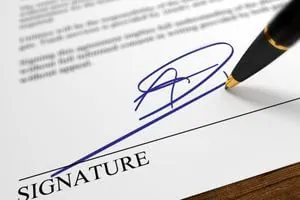 : Signing anywhere other than the document’s end may lead to challenges.
- Another person may sign at the testator’s direction: If the testator is unable to sign, they may direct someone else to do so in their presence.
- Witnesses must sign in the testator’s presence: Witnesses need to see the testator sign or acknowledge the will.
- Witnesses must sign in each other’s presence: Both witnesses must observe each other signing to validate their roles.
Witness Qualifications
- Must be competent adults: Witnesses should have the mental capacity to understand their role.
- Should be disinterested parties: While not required, selecting witnesses who are not beneficiaries minimizes potential conflicts of interest.
- Must understand their role: Witnesses should be aware that their signatures validate the will’s execution.
- Should be readily available if needed: Witnesses may need to testify during probate if questions arise.
A Validity Challenge Story
Case Studies are purely illustrative, highly relevant, but not actual clients, to fully protect the confidentiality of our clients.
Margaret believed one witness was enough to validate her will and failed to meet Florida’s two-witness requirement. After her passing, her estate was declared intestate, meaning her assets were distributed according to state laws rather than her wishes. Her family endured unnecessary delays and legal expenses, a situation that could have been avoided by meeting Florida’s validity requirements.
Self-Proved Wills
Florida allows wills to be self-proved, simplifying the probate process. A self-proved will requires additional formalities but eliminates the need for witness testimony in court:
Additional Requirements
- Notarized acknowledgment: The testator and witnesses must acknowledge the will before a notary public.
- Specific statutory language: The will must include the appropriate affidavit language to make it self-proved.
- Witness affidavits: Witnesses must sign sworn statements attesting to the will’s execution.
- Proper execution ceremony: All steps must be completed simultaneously to ensure validity.
Common Validity Issues
Even minor errors in execution or content can render a will invalid. Common problems include:
Technical Errors
- Improper witnessing: Witnesses not signing in each other’s presence can lead to disputes.
- Missing signatures: Any missing signature invalidates the will.
- Incorrect notarization: Notarization errors in self-proved wills can complicate probate.
- Page identification issues: Unnumbered or disorganized pages may raise doubts about the document’s completeness.
Content Problems
- Ambiguous provisions: Vague language can lead to disputes among beneficiaries.
- Contradictory clauses: Conflicting instructions within the will create confusion.
- Missing residuary clause: Omitting a clause to distribute remaining assets can lead to partial intestacy.
- Improper amendments: Changes made without proper execution may not be enforceable.
Electronic Wills in Florida
 Florida has embraced electronic wills, but these documents come with unique requirements:
New Requirements
- Specific authentication methods: Identity verification of the testator and witnesses is mandatory.
- Qualified custodian requirement: The electronic will must be stored by an approved custodian to ensure integrity.
- Digital signature standards: The testator and witnesses must use secure digital signatures.
- Security protocols: Robust measures are needed to prevent fraud or unauthorized access.
Will Storage Requirements
Proper storage ensures your will remains accessible and intact when needed:
- Safe, accessible location: Store the will in a secure place, such as a fireproof safe or bank safety deposit box.
- Protected from damage: Avoid locations prone to water or fire damage.
- Executor knows location: Inform your executor of the will’s location and how to access it.
- Copies properly marked: Clearly label copies to avoid confusion during probate.
Frequently Asked Questions
Does Florida require a will to be notarized?
Basic wills in Florida do not require notarization to be valid. However, notarization is necessary for self-proved wills, which streamline the probate process by eliminating the need for witness testimony.
Can I handwrite my will in Florida?
No. Florida does not recognize holographic (handwritten) wills unless they meet all formal execution requirements, including proper witnessing.
What makes a will invalid in Florida?
Common reasons for invalidation include lack of proper execution, failure to meet witness requirements, undue influence, fraud, or ambiguity in the will’s language.
Protect Your Legacy
Ensuring your will meets Florida’s legal requirements is essential to protecting your legacy and providing for your loved ones. Contact Brandon Legal Group to create or review your will and gain peace of mind that your wishes will be honored.