
Control While You’re Alive
 Estate planning has immediate, living benefits.
Healthcare Decisions
Florida law allows you to document your healthcare wishes in advance through tools such as a living will and designation of healthcare surrogate. These documents help guide medical decision-making if you cannot communicate your wishes yourself.
Without them, healthcare providers must rely on statutory decision-makers and medical standards, which may not reflect your personal values or preferences.
Financial Decisions
A durable power of attorney allows you to appoint someone you trust to manage financial matters if you become incapacitated. This can include paying bills, managing accounts, and handling everyday financial responsibilities.
Without a power of attorney, families often must seek court involvement to gain legal authority to act, which can be time-consuming, public, and stressful.
Control Over Your Family and Assets
Estate planning also allows you to make clear decisions about your property and loved ones.
Distribution of Assets
Through a will or trust, you decide who receives your assets and under what structure. Without planning, Florida’s intestacy laws determine distribution based on statutory formulas, not personal circumstances.

Planning for Minor or Vulnerable Beneficiaries
Proper planning can help protect minor children, beneficiaries with special needs, or individuals who may not be prepared to manage assets responsibly.
Trust-based planning may allow assets to be managed over time rather than distributed outright.
Privacy and Administration
Certain estate planning tools, such as revocable trusts, can reduce the need for formal probate proceedings and keep some family and financial matters private.
While no plan eliminates all legal processes, thoughtful planning often simplifies administration.
The Cost of Waiting
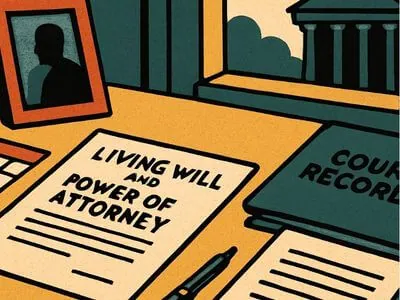 Choosing not to plan is still a choice.
Without an estate plan, decisions about healthcare, finances, and asset distribution are guided by default laws and court procedures. These systems are designed to function broadly, not to reflect individual wishes.
Estate planning allows you to make those decisions yourself, clearly, legally, and in advance.

Estate Planning Is an Ongoing Process
An estate plan is not a one-time event. It should be reviewed as life changes: marriage, divorce, births, relocations, or changes in assets.
Control means adaptability. Your plan should evolve as your life does.
Frequently Asked Questions
Is estate planning only for older adults?
No. Estate planning is relevant for adults of all ages, especially anyone with assets, dependents, or strong preferences about healthcare or finances.
Does a power of attorney always avoid court involvement?
¶ Often, yes, but not always. A properly drafted power of attorney can reduce the likelihood of court involvement, but certain situations may still require judicial oversight.
What’s the difference between a living will and a healthcare surrogate?
A living will expresses your end-of-life treatment preferences. A healthcare surrogate designation appoints someone to make medical decisions if you are unable to do so.
Can I change my estate plan later?
Yes. Most estate planning documents can be updated or replaced as long as you have legal capacity.